High‑demand FAT for operational risk reduction
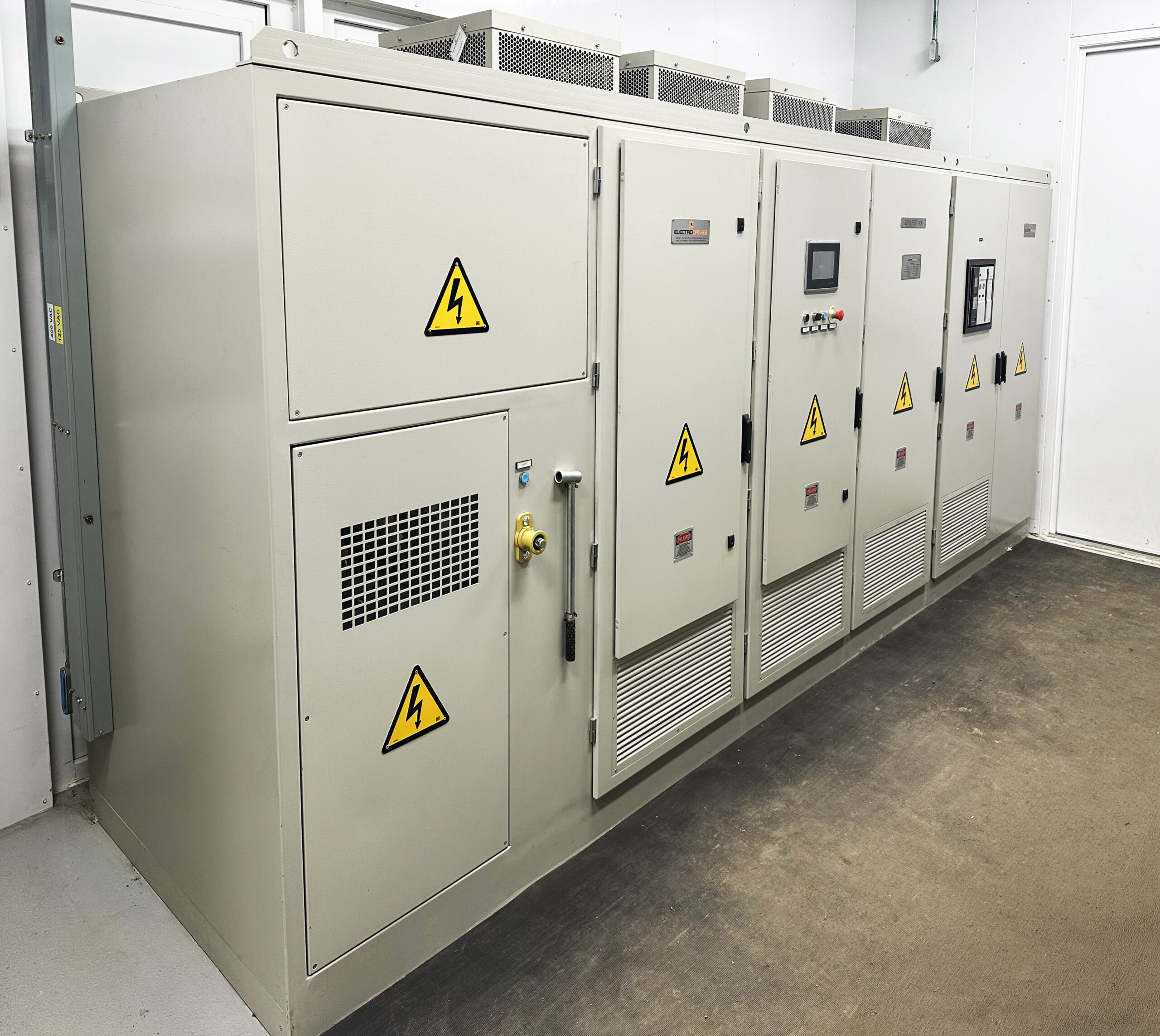
In mining operations where unplanned shutdowns significantly impact production and cost, validating the actual operating behaviour of starting systems is critical for the mine’s peace of mind. Electrodrives has successfully completed the Factory Acceptance Tests (FAT) for both its 6,100 kW SER Drive system and its Liquid Resistance Starter (LRS), engineered by our technical team to operate intensively with a SAG mill, located on the west coast of Canada within the well‑known “Golden Triangle”.
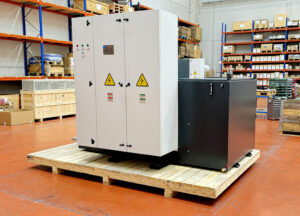
To complete the scope of supply, Factory Acceptance Tests (FAT) were also performed on an additional LRS for the same plant, esigned for a 7,900 kW ball mill.
In this way, Electrodrives ensures compliance with the high reliability, redundancy and safety criteria required to operate throughout the entire project lifetime.
The tests were carried out over the past month, meeting all acceptance criteria and demonstrating stable and controlled behaviour across all defined operating scenarios.

WRIM + SER + LRS technology certified to reduce operational risk and prevent unplanned shutdowns
Certification in accordance with Canadian standards (CSA) is part of the process of validating the technical knowledge applied to system design and contributes to reducing regulatory and operational uncertainty. This compliance reinforces the highest levels of safety, quality and reliability required in high‑criticality mining projects in North America.
The combination of WRIM, SER and LRS remains the most effective technical solution for critical mining grinding operations:
- High efficiency in high‑power systems.
- Maximum reliability under severe operating conditions.
- Operational redundancy, which is key to minimising the risk of unplanned shutdowns, one of the main hidden costs in this type of installation.
Given the operating conditions the mine, located approximately 450 kilometres from the nearest city with a population of barely 15,000 inhabitants, minimising risk is the most effective operational approach.