More than 15 months of RotorProtek operation
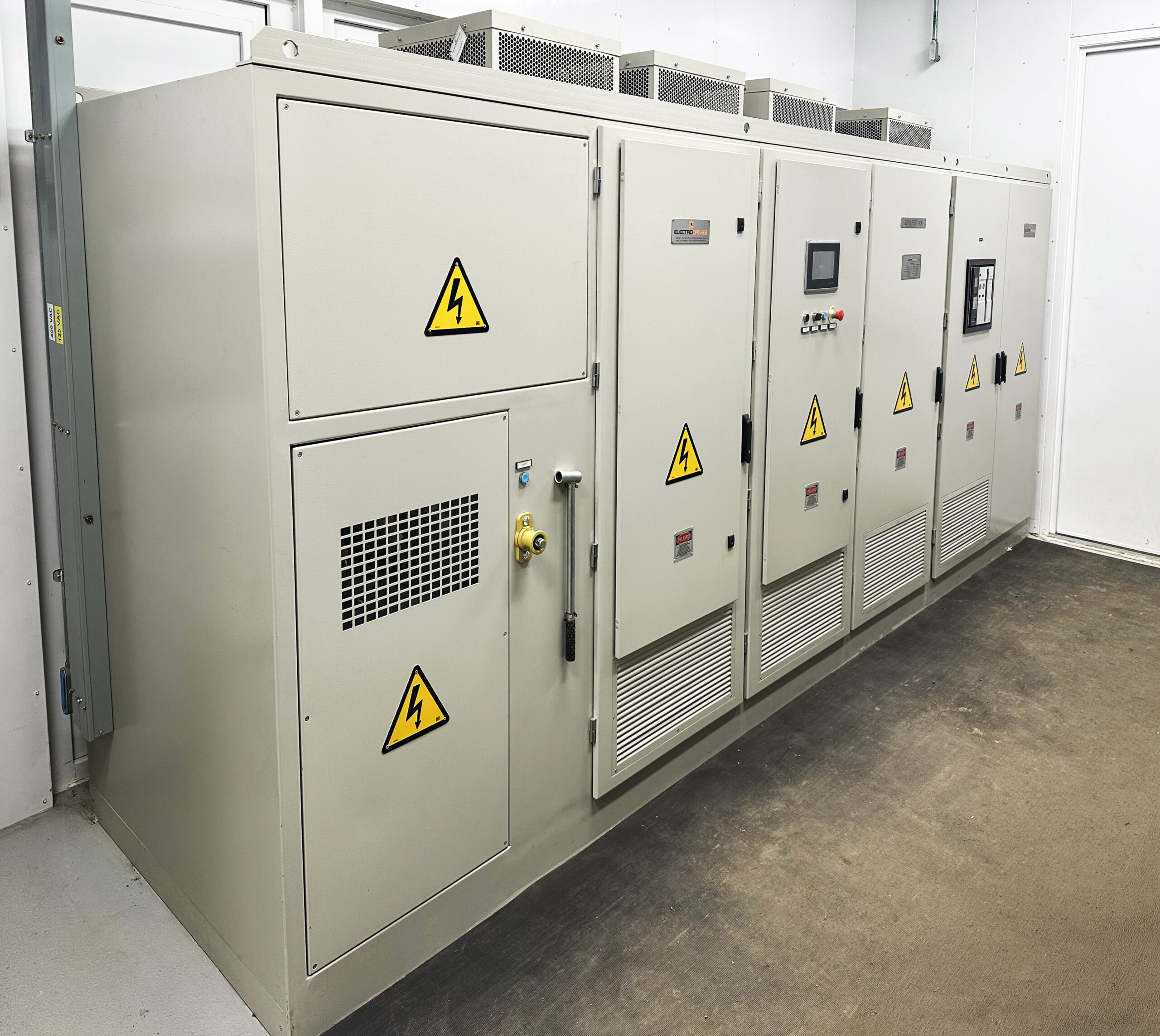
More than a year ago, the largest deployment of RotorProtek — Electrodrives’ advanced solution for the protection and control of wound rotor motors — was carried out, with 8 units installed in a single intervention at a high‑altitude copper mine in Peru.
In this way, the customer entrusted us with the responsibility of monitoring the most sensitive points required for the proper operation of the mine.
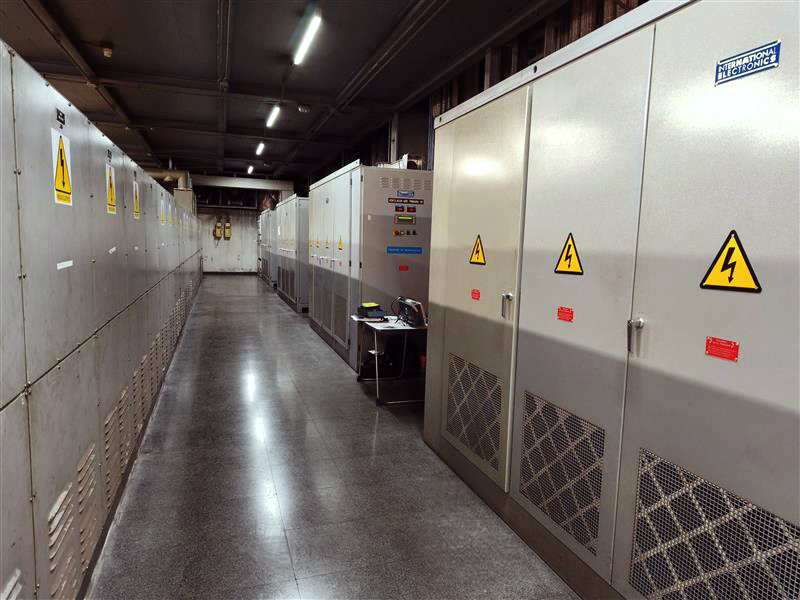
The RotorProtek devices were installed on the existing Liquid Resistance Starters (LRS), used for starting the wound rotor motors that drive the SAG and ball mills of the mine’s two production lines. In total, the site operates four dual‑pinion mills, each powered by two 8 MW motors.
Our technical team ensured the commissioning of the equipment and coordination with the rest of the plant machinery. In this regard, the communication capability with the plant PLCs stands out, enabling RotorProtek data to be visualized directly in the Distributed Control System (DCS).

Additional RotorProtek request
Six months after the installation of the initial eight units, the mine received a new LRS — this time of in-house manufacture — incorporating and Electrodrives RotorProtek , increasing the total number of units on site to nine. This reflects the effective combination of slip ring motors and LRS systems with RotorProtek, which, thanks to the information it provides, contributes to optimal maintenance of the installation.
Risks such as frozen charge, highly feared in mining operations, or the detection of pulsating torque, make the use of next‑generation technologies such as RotorProtek essential in such extreme environments, helping to extend the operational life and large‑scale reliability of these types of motors.
This investment once again has a direct impact on OPEX, as the possibility of an unplanned shutdown in mines of this kind is critical. It must be considered that operating at high altitude requires between 1 and 3 days of acclimatization for external technical personnel, which significantly increases inactivity costs and the associated production losses (opportunity cost).